What Canning Method Is Best For A Beginner?
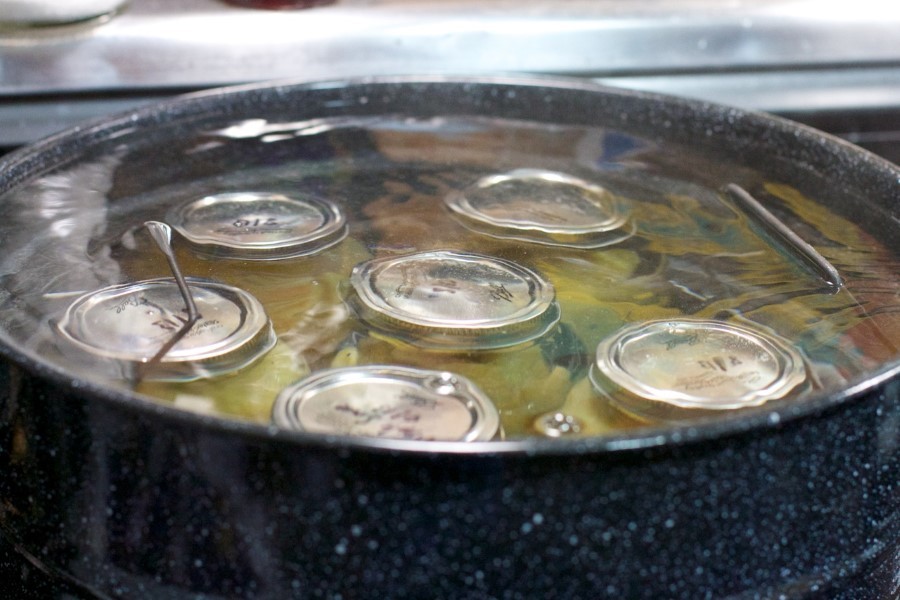
As a beginner, you should start with a water bath canner, and avoid a pressure canner. This is because a water bath canner functions faster is easier to use, and is less complicated. On the other hand, using a pressure canner is complex.
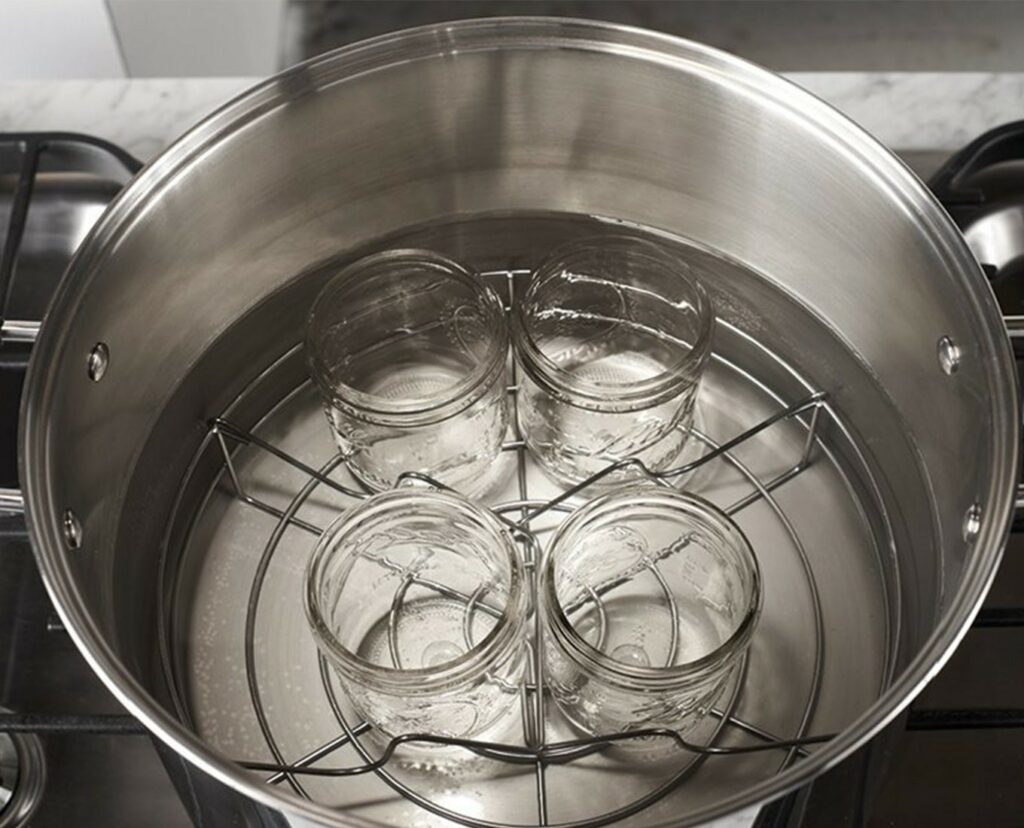
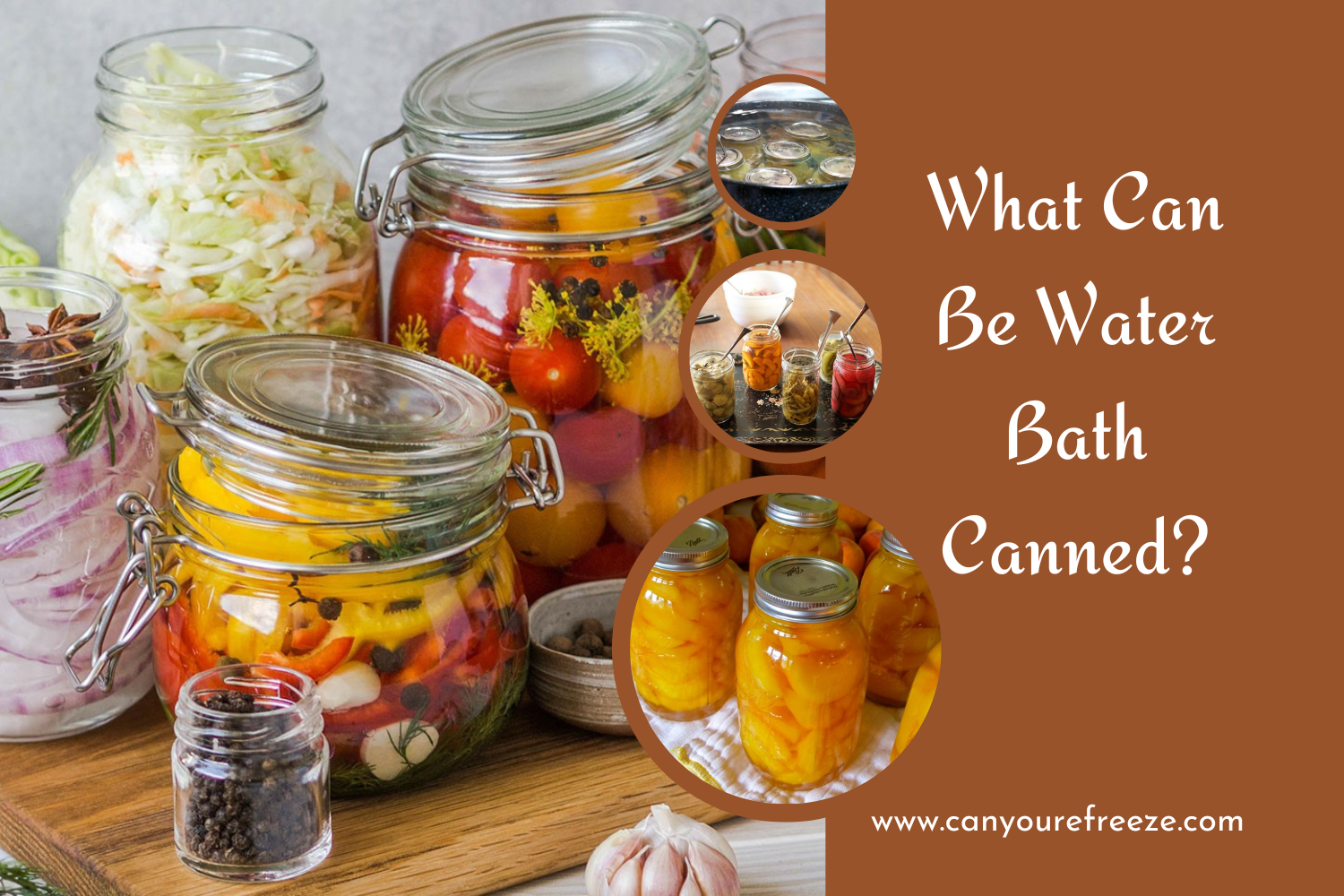
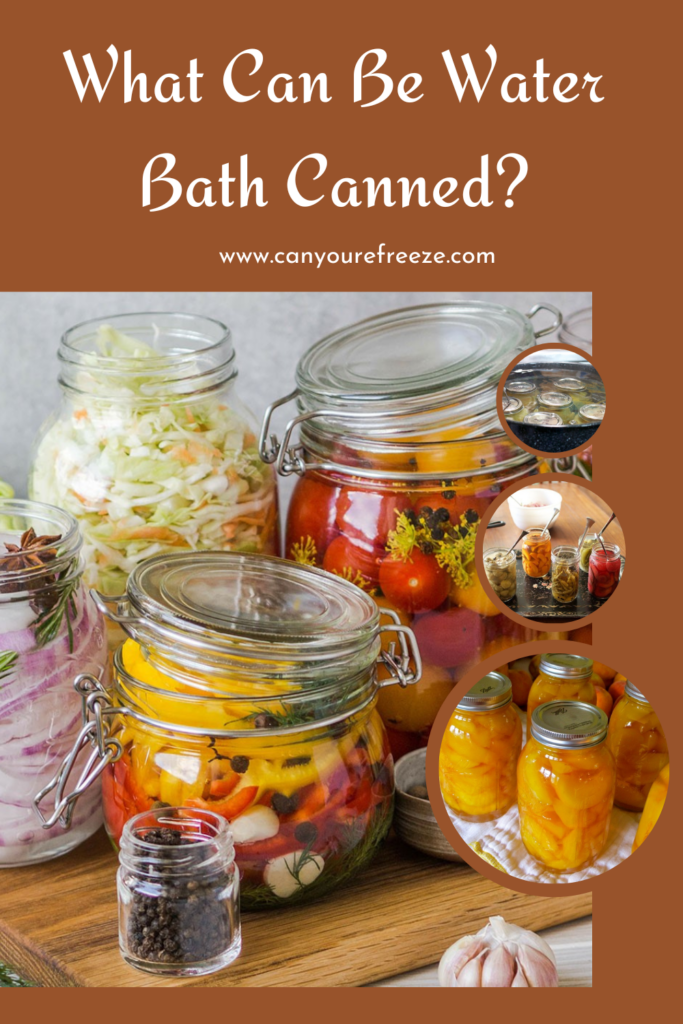
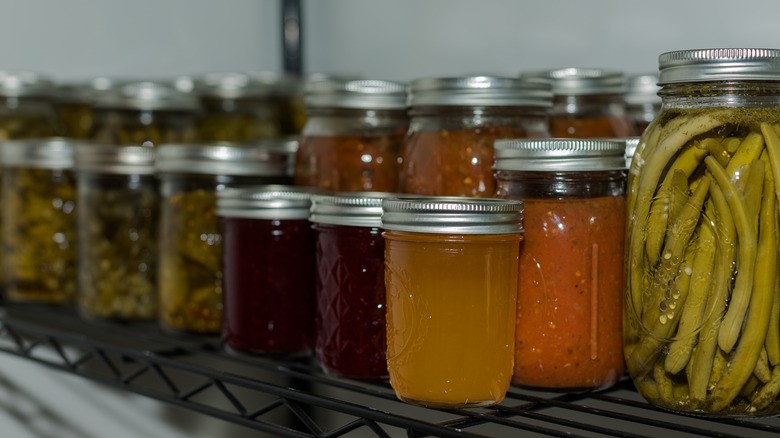
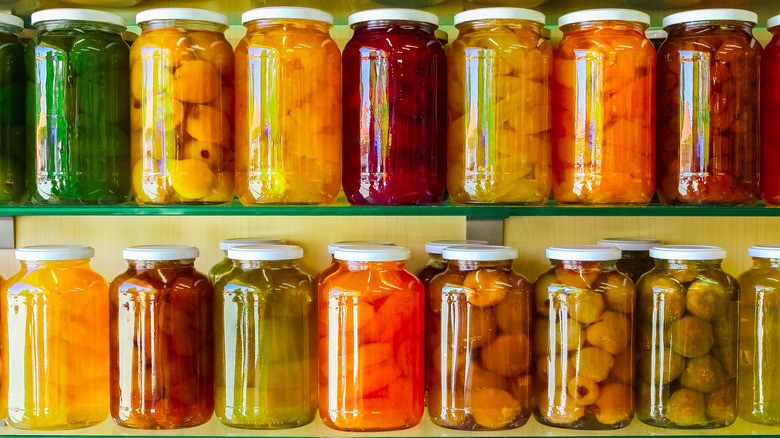
Also, a water bath canner is the most commonly used, therefore start with this method of food canning. This canner is highly suitable for high-acid foods such as fruits, sauces, tomatoes, pickles, and more.
What Is The Best Canning Kit That You Should Start With?
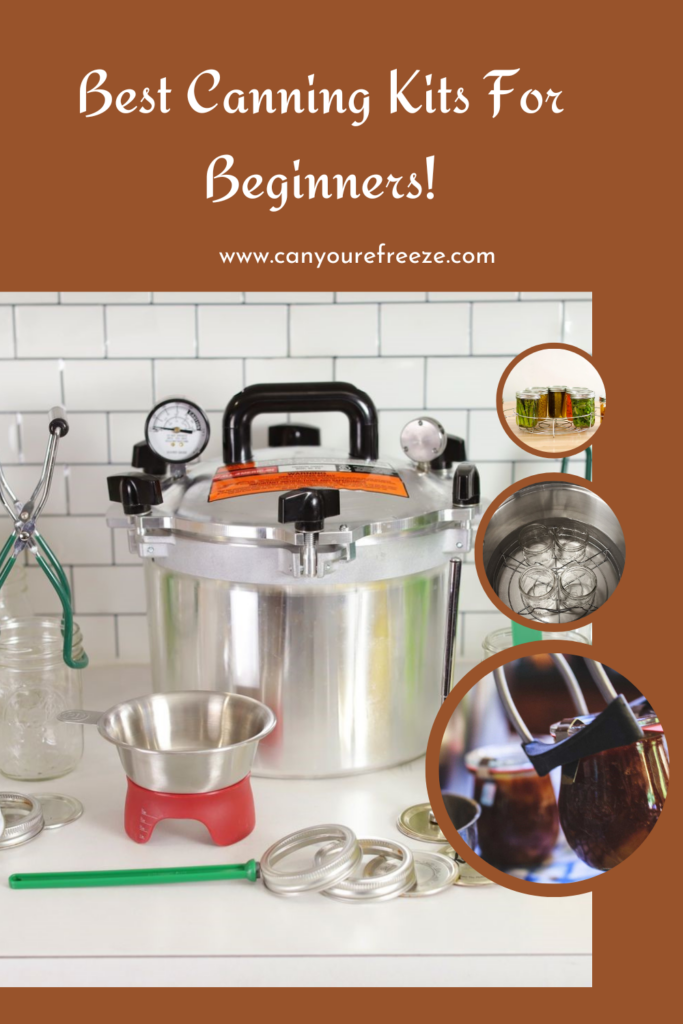
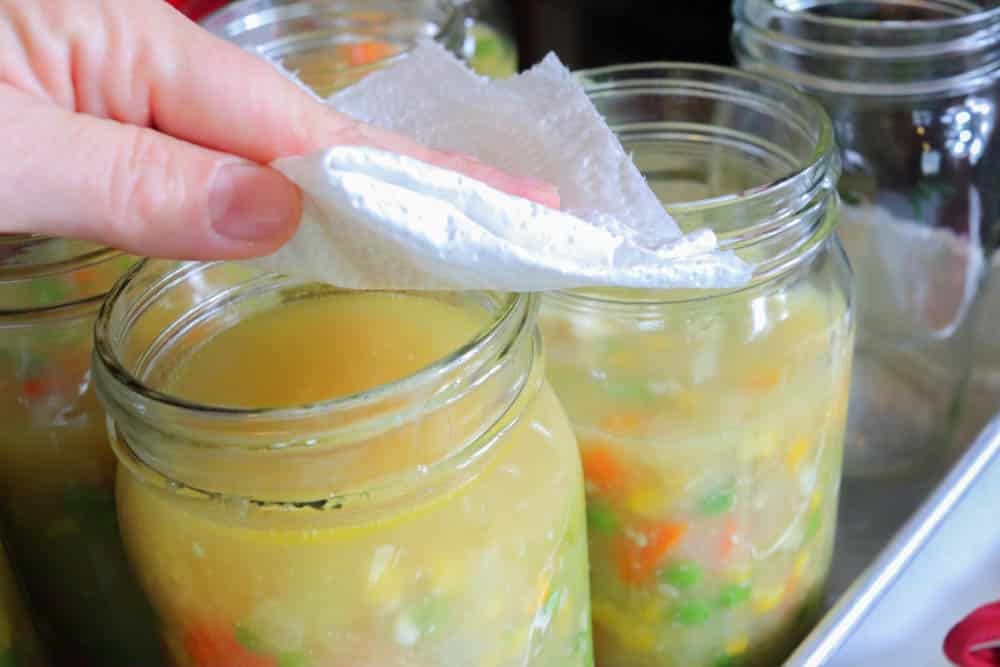
The best canning kit for a beginner is a water bath canning kit. This will include equipment such as a canner, canning racks, jars, lids, and more. A canning kit essentially contains a set of all the required tools for canning. It might also contain paper towels or tissues.
Canning Supplies
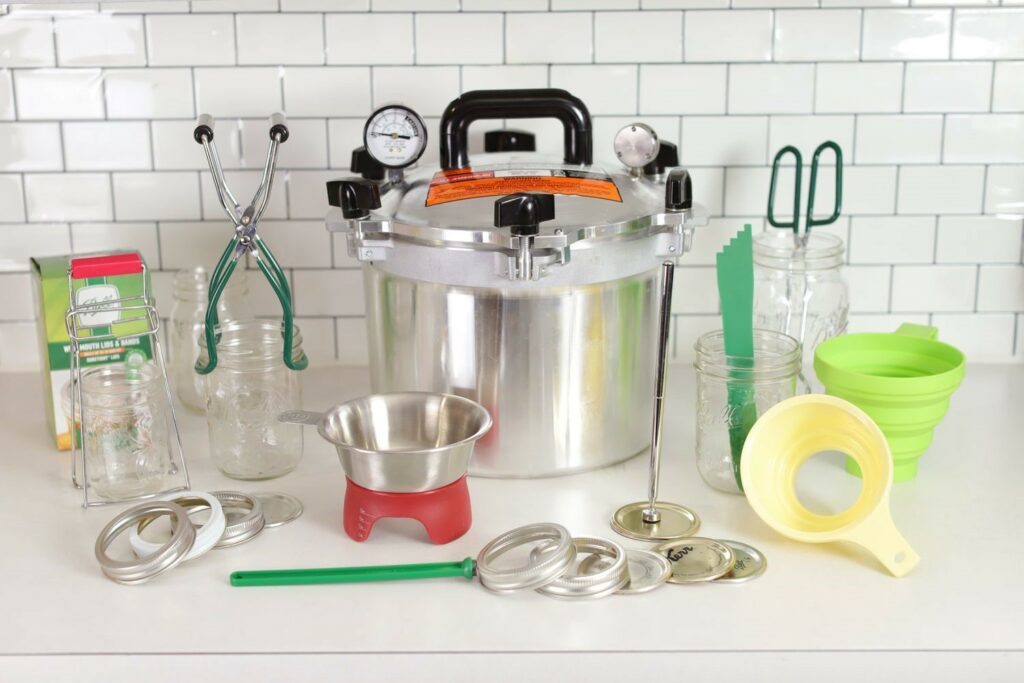
Choosing the right canning supplies for all your canning needs is crucial. Invest in good equipment, so that you do not regret it later. Here, I have mentioned a list of a few very basic canning supplies that you must have to begin with. Check them out below.
Canner
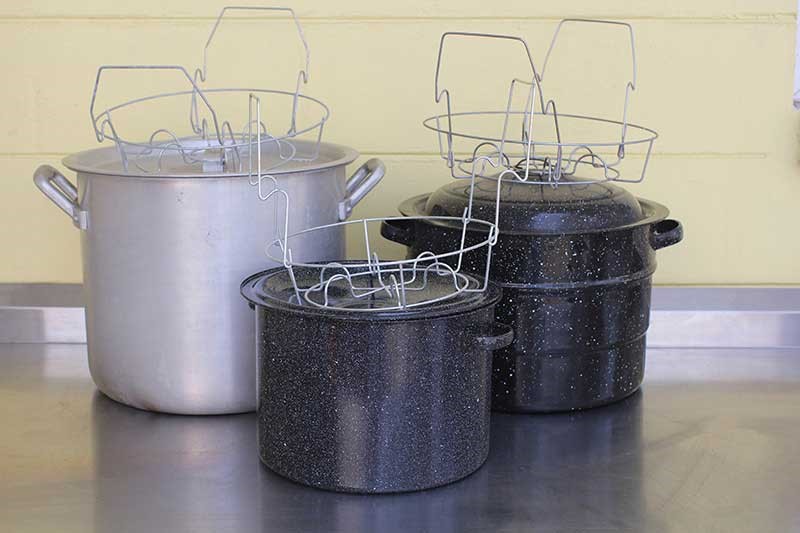
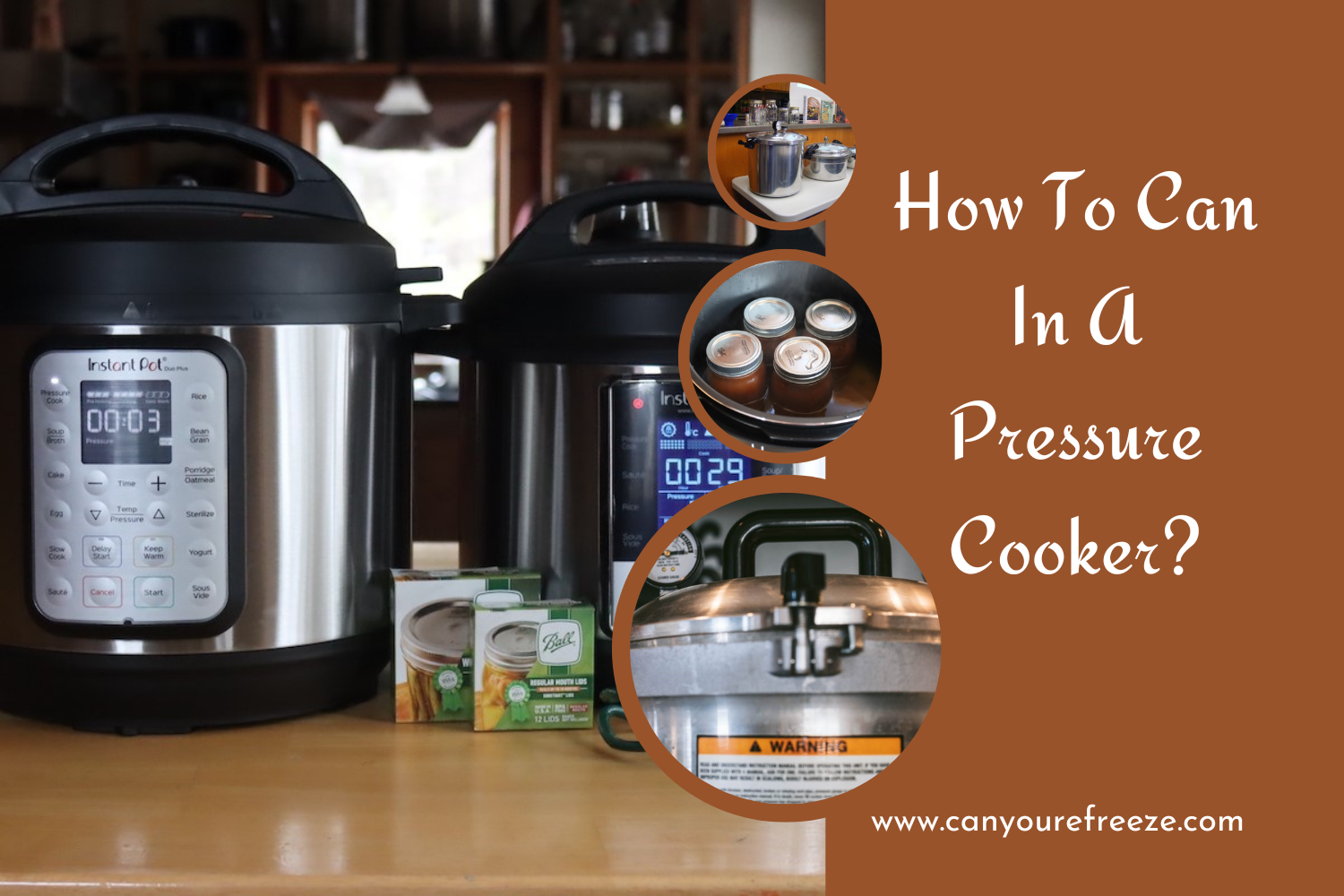
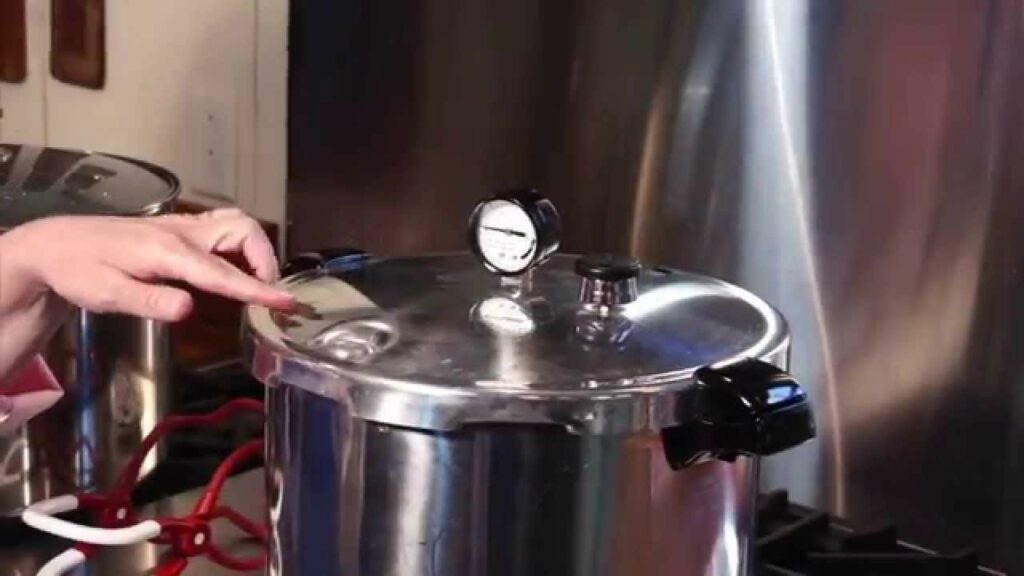
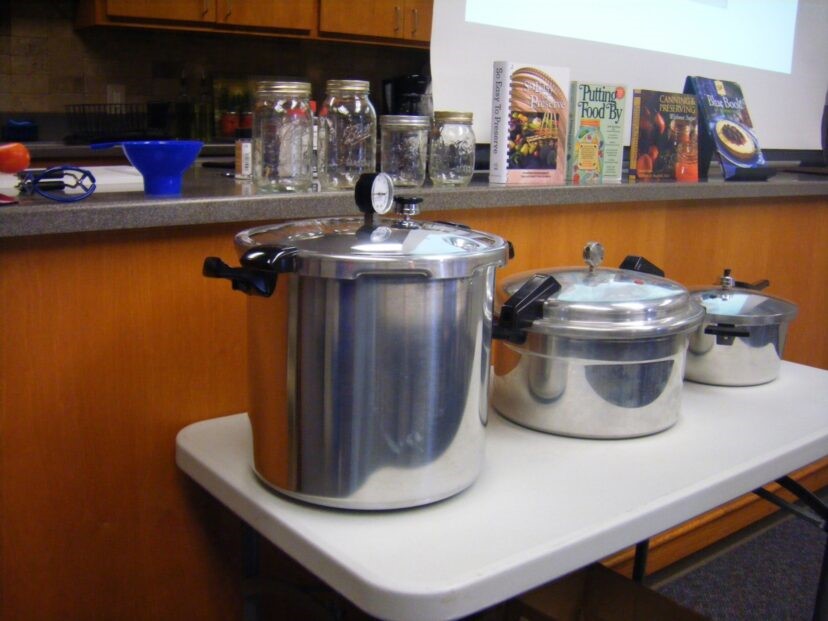
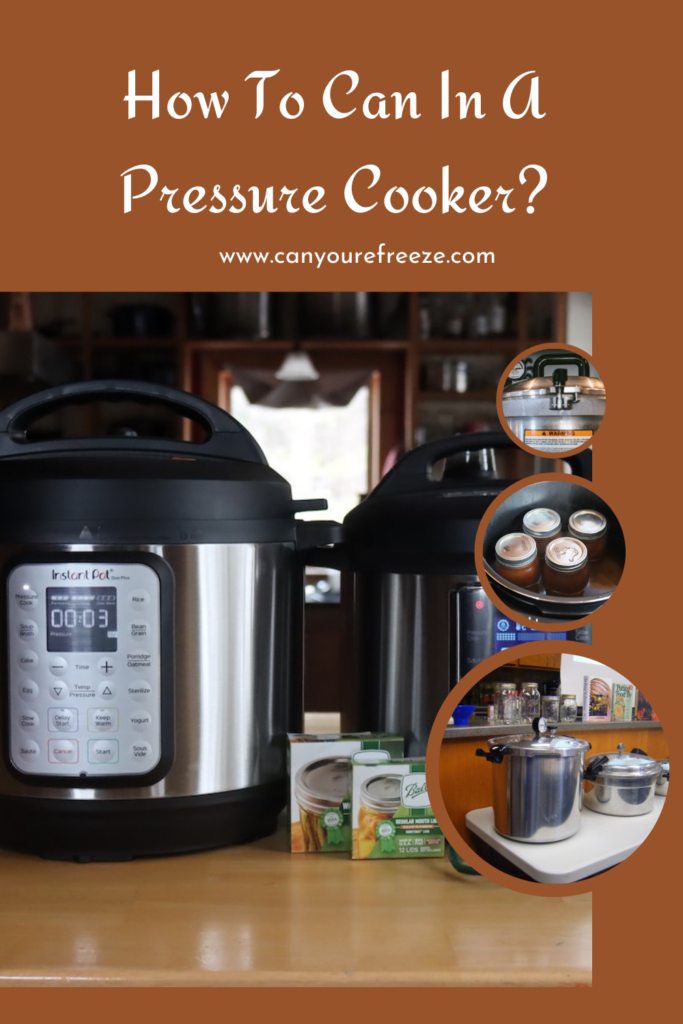
Canners are available in two types: water-bath canner and pressure canner. As mentioned earlier, as a beginner it is a good idea to invest in a water-bath canner. You will find canners of different sizes, choose one that suits your needs.
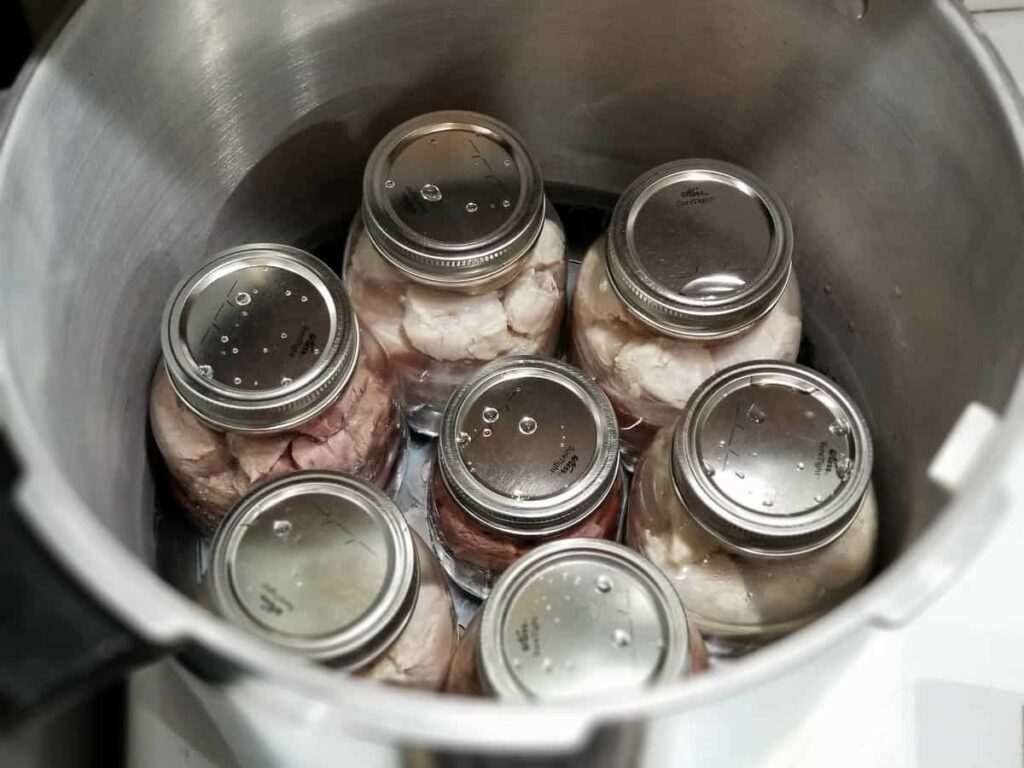
A canner usually comes with a lid and a canning rack, therefore you will not need to worry about it. A water canner is suitable for high-acid foods like fruits and vegetables, while on the other hand, a pressure canner is suitable for low-acid food items like meat.
Canning Jars
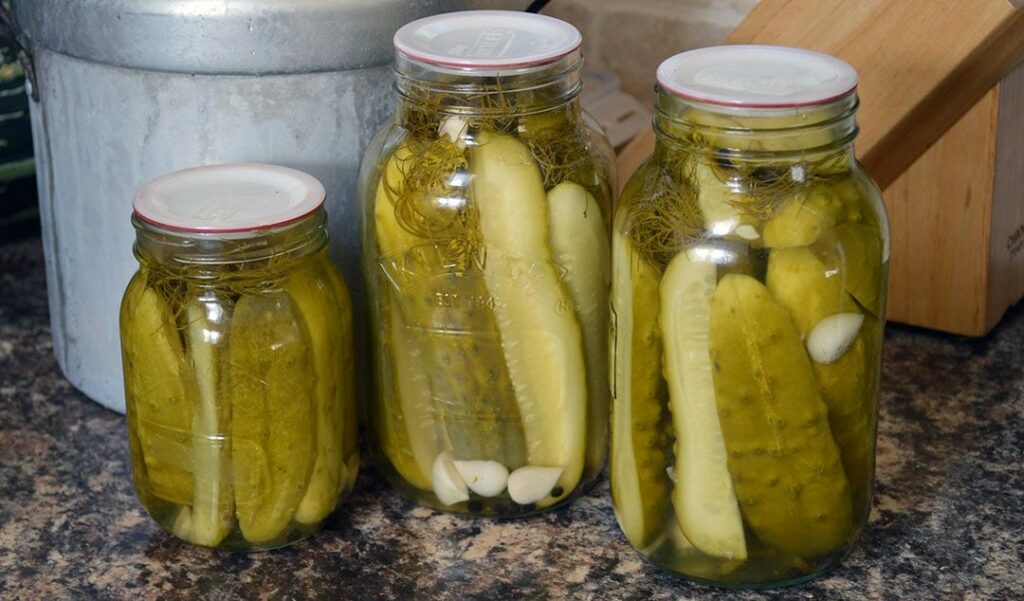
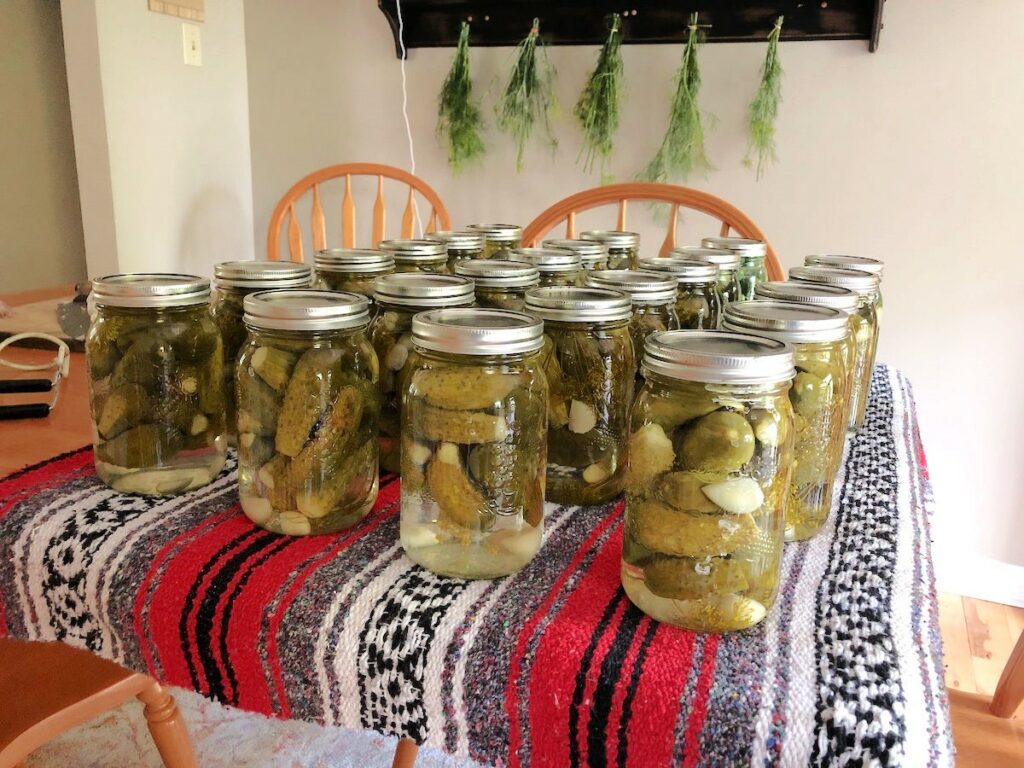
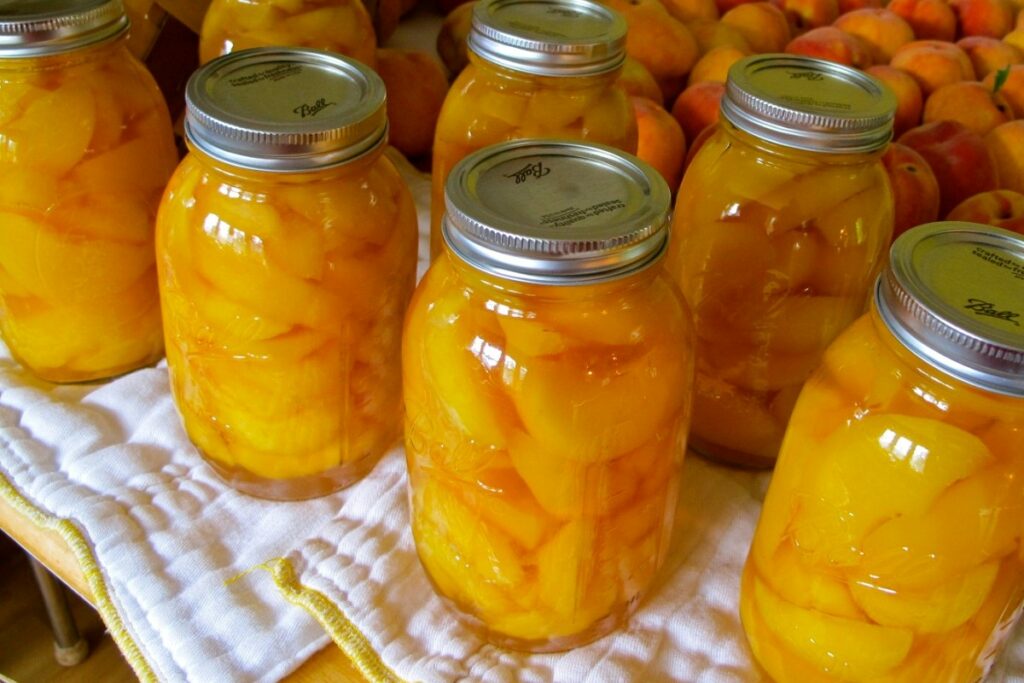
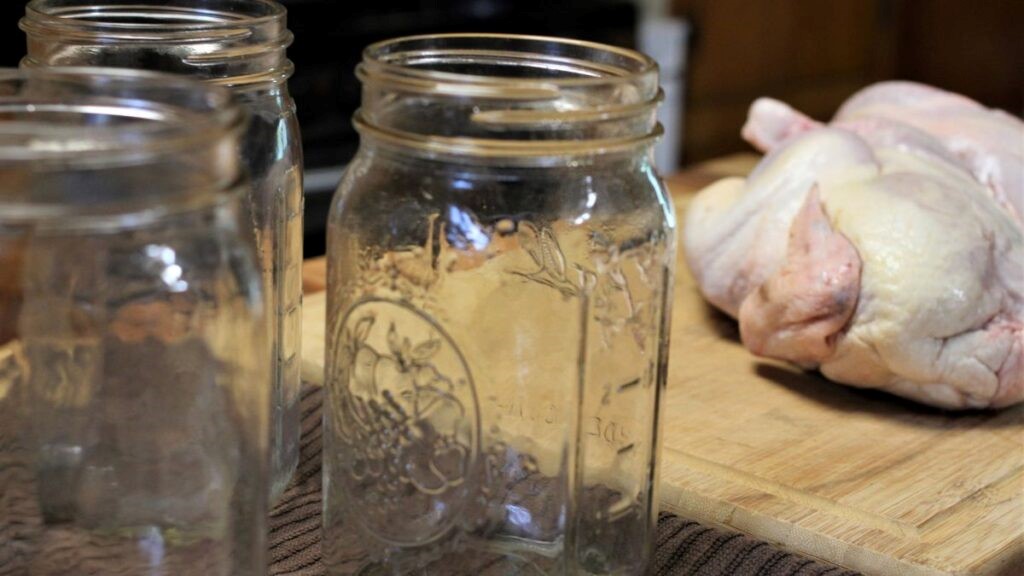
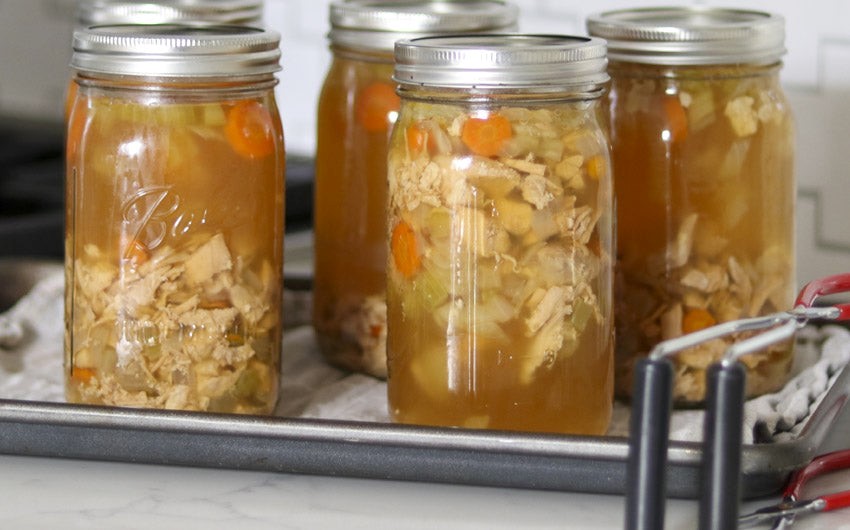
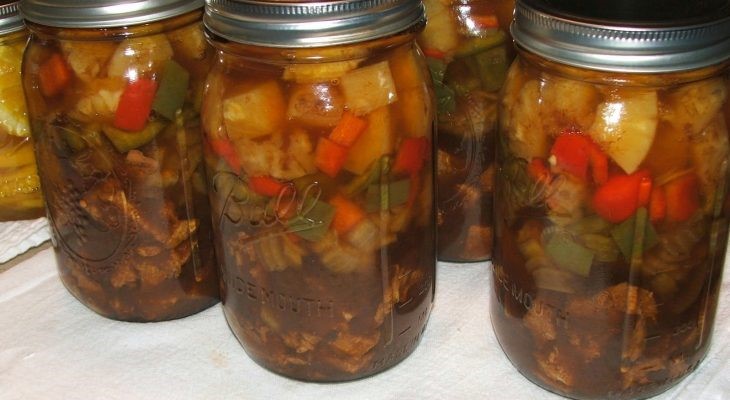
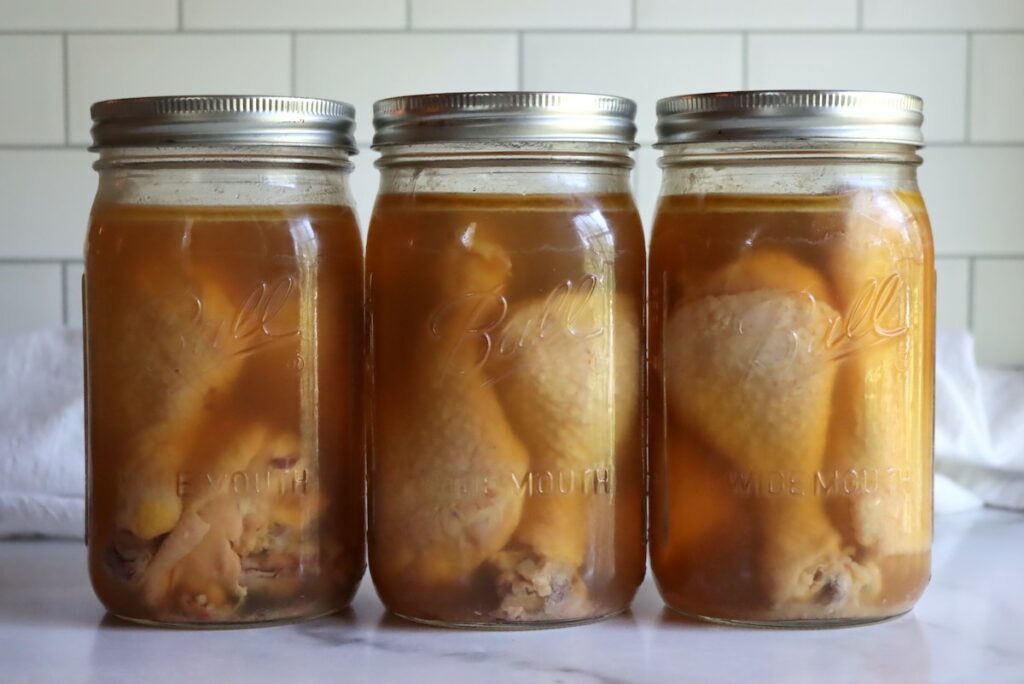
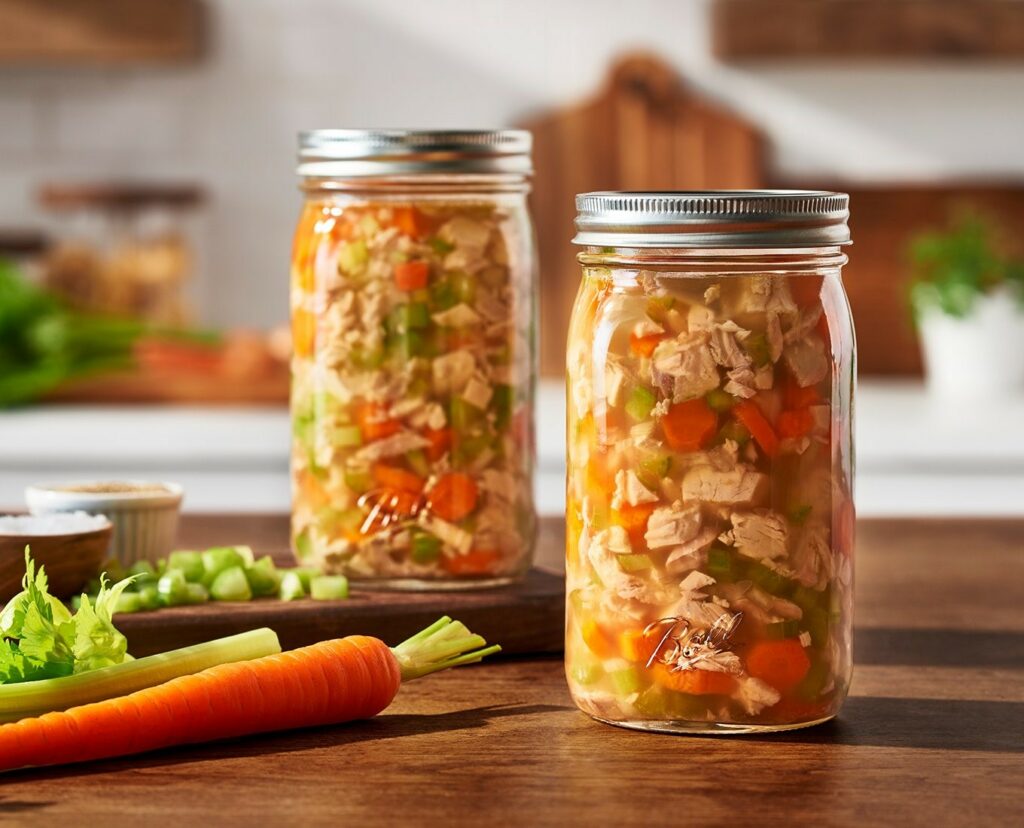
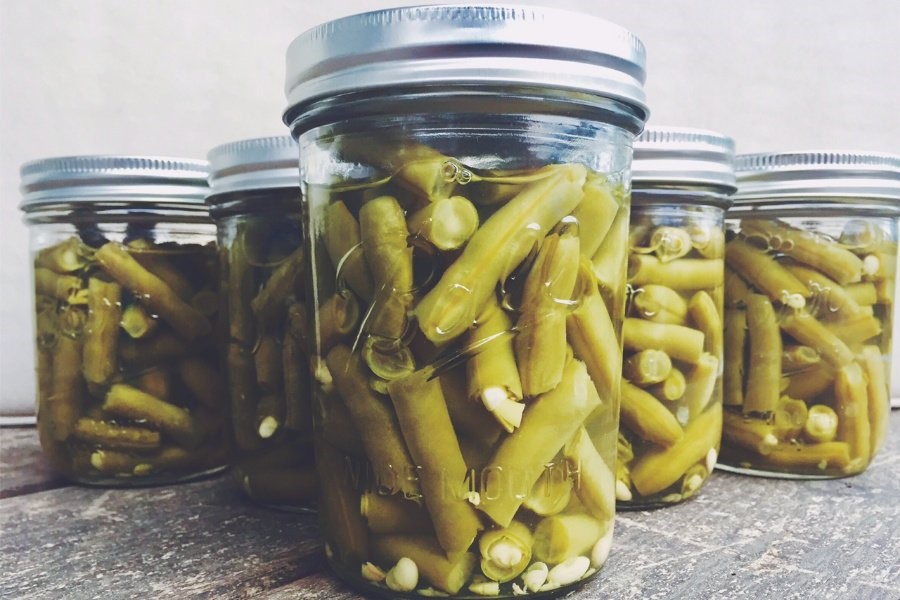
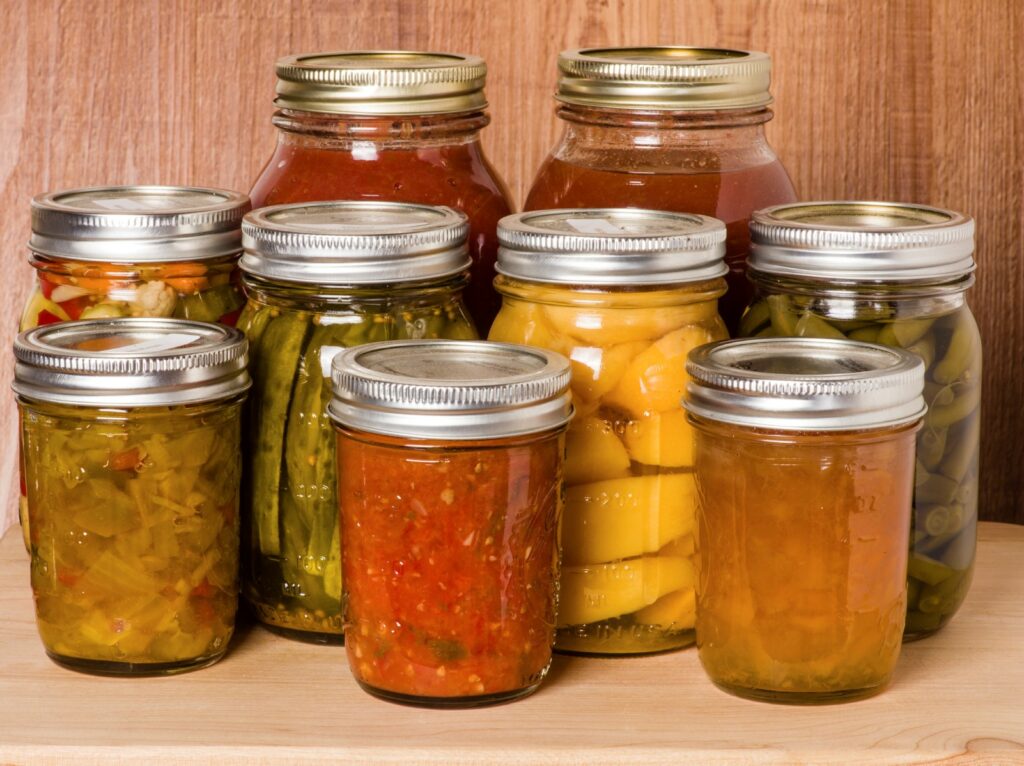
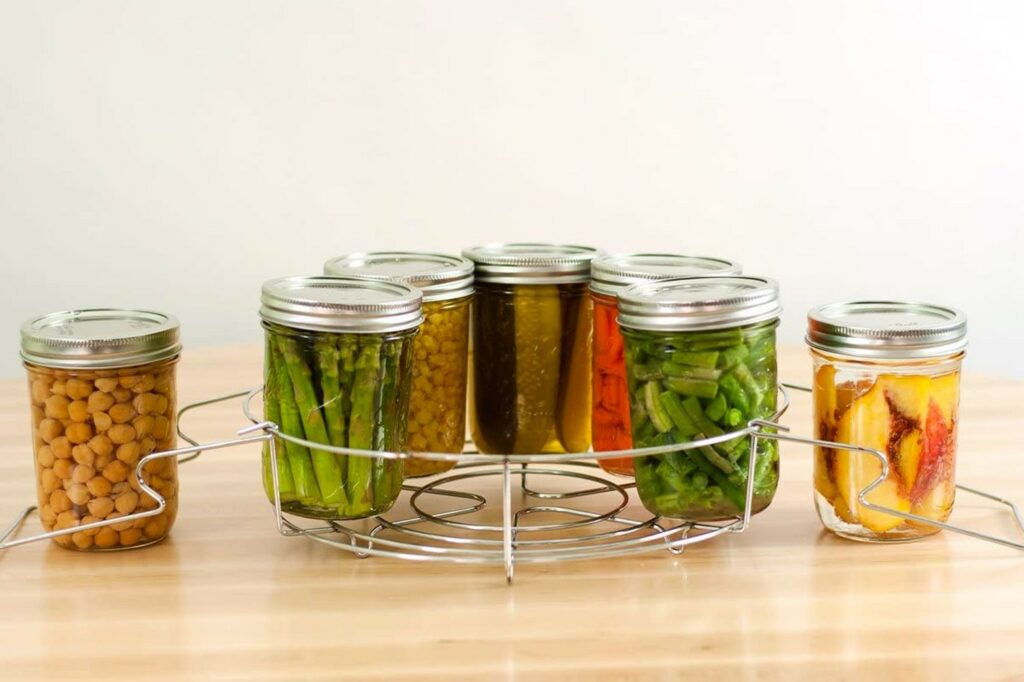
Canning jars are available in a variety of shapes and sizes. The most common types are pint jars, quart jars, and mason jars. These jars are further categorized into wide-mouth jars or regular-mouth jars.
You can use the regular mouth pint jars for all your home canning needs. They are even mostly used because you can almost store anything in them. Also, they are the best for canning pureed food, sauces, or pickles. They are also easier to clean.
Canning Lids And Bands
Canning lids are made up of thin metal with a rubber seal that can adequately fit over the jars, and bands are ring-shaped tools that secure the sealing. Every canning jar comes with specific canning lids and bands.
However, you will also find only canning lids and bands in the market. This is because you cannot reuse a lid even if you can reuse the jar. Therefore, it is a good idea to invest in several lids and bands at a time.
Jar Lifter
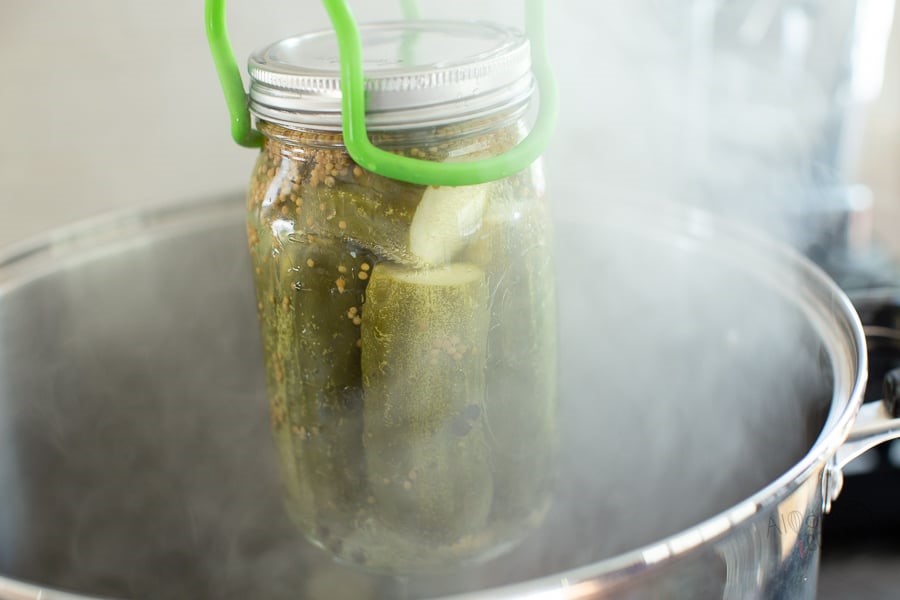
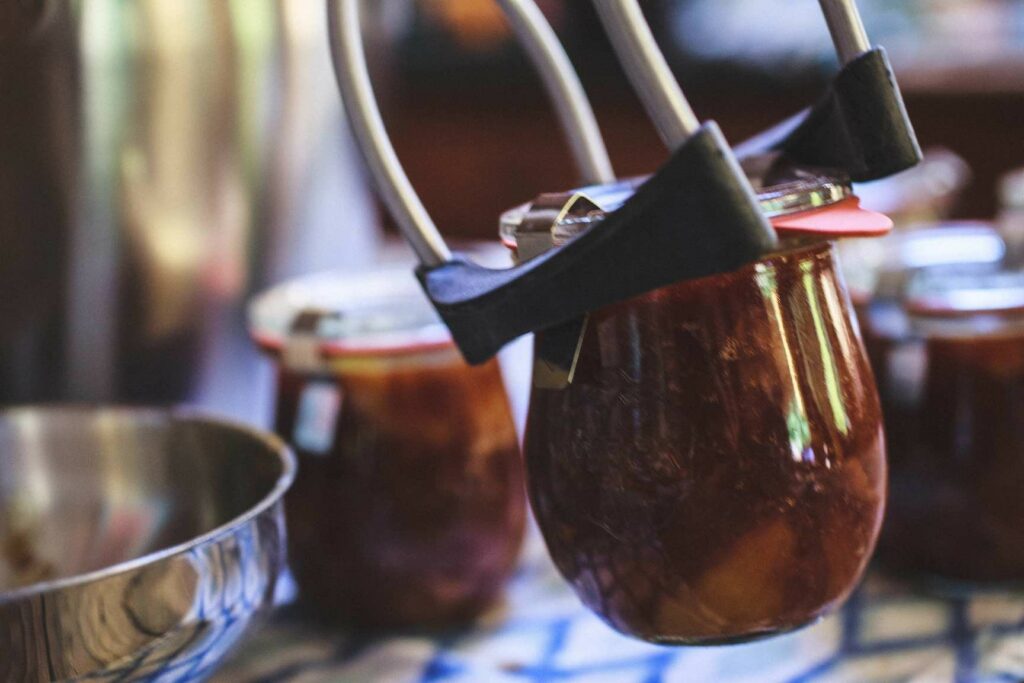
A jar lifter, as the name suggests is used to lift the hot canning jars from the boiling water in the canner. You will definitely need a jar lifter because you cannot directly remove a hot jar with bare hands. So, invest in a good one.
Food Strainer
A food strainer might not be an essential canning supply, but having one will save you a lot of time in the canning process. This is because a food strainer can be effectively used to remove skin or seeds from fruits and vegetables quickly.
Wide Mouth Funnel
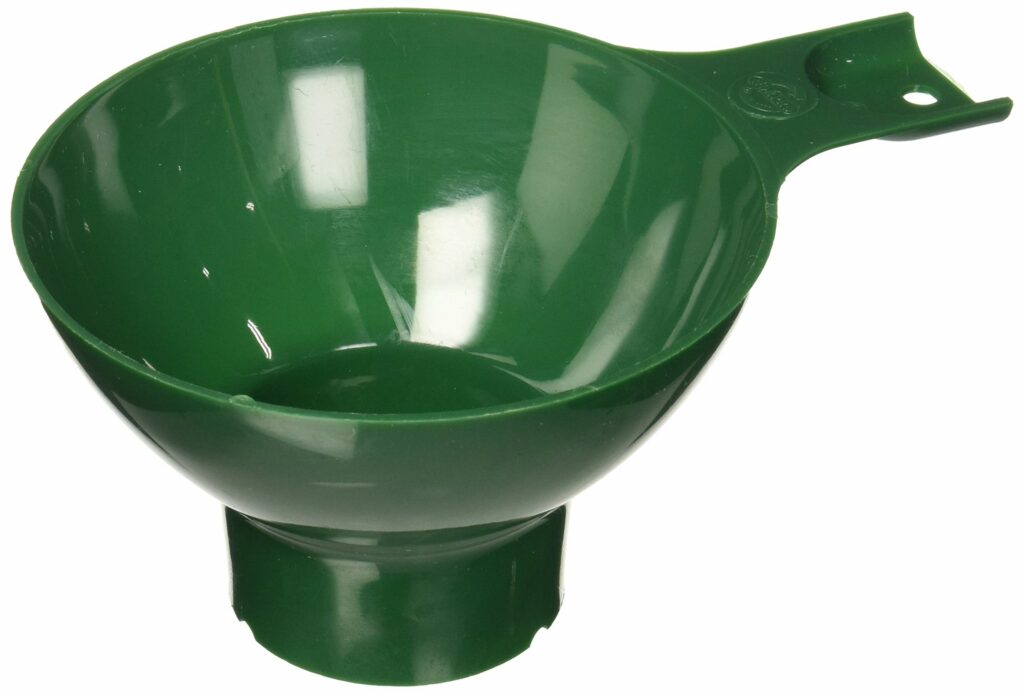
A wide-mouth funnel is very helpful while canning as it allows easy filling of the jars without bothering about the mess, especially pureed food items. Therefore, it can be considered a must-have tool for canning.
You can use a simple plastic funnel for the purpose. It does not matter which funnel you are using the purpose is to make the job easier and avoid mess. Therefore, investing in a funnel is a good idea.
Knives
While it might seem a small tool for canning, it is in fact one of the most important ones. You will always need a knife to prepare your fruits or vegetables for canning. A good-quality knife makes the process of chopping easier.
Therefore, you should invest in a good knife. There are a variety of knives available that can be used for different cutting purposes. You can choose to go for some of them per your chopping and slicing requirements.